
What Triggers an Arthritis Flare-Up? Patterns Worth Tracking
Arthritis rarely hurts the same way every day. Some stretches feel manageable and then a joint flares for reasons that are not always obvious. Learning your own pattern can be one of the most useful things you do.
What a flare is
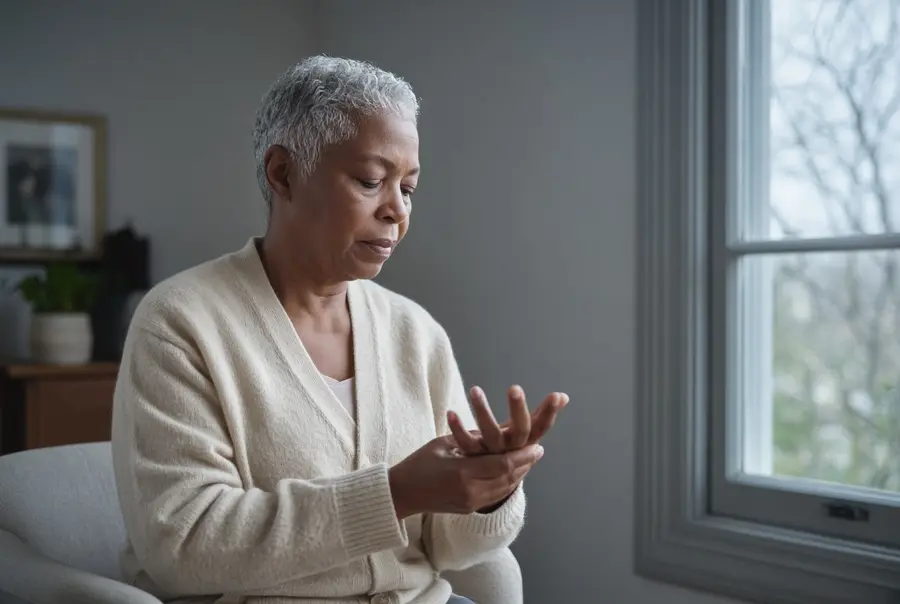
A flare is a stretch when symptoms get noticeably worse than your usual: more pain, more stiffness, more swelling, or less movement. In osteoarthritis, flares often follow a busy or overly strenuous day. In inflammatory types such as rheumatoid arthritis, flares can be driven by the disease itself and are managed by your specialist.
Triggers people commonly report
Everyone is different, but common themes include:
- Overdoing it after a quiet stretch, such as a long day of walking, gardening, or lifting
- Staying in one position too long, which stiffens the joint
- Poor sleep, which seems to make pain feel worse for many people
- Stress and illness
- Weather changes, which some people notice and others do not
- Missed or changed medication, which is a reason to talk to your doctor and never to change doses on your own
Keeping a simple flare log
A few lines a day is enough: which joints hurt, how bad on a scale of one to ten, how long stiffness lasted in the morning, what you did the day before, how you slept, and what the weather was like. After a few weeks, patterns often appear. The log helps your doctor adjust the plan and helps us understand your situation at a consultation.
Hot, red, or very swollen joints
A joint that suddenly becomes hot, red, and very swollen, especially with fever, needs prompt medical attention. It can signal infection or another condition such as gout, and it should not be treated at a clinic like ours first. Sudden loss of the ability to use a joint is another reason to be seen quickly.
Pacing and movement
Many people with arthritis find that alternating activity with rest, avoiding long stretches in one position, and keeping up gentle regular movement helps. Your physician or physical therapist can tell you what suits your joints, and what to avoid during a flare.
Working with your doctor
Treatment for arthritis is guided by the type and severity and by your physician or specialist. Please do not stop or change any medication, injection, or therapy your doctor has prescribed. Anything we offer is meant to sit alongside that plan, not replace it.
What a visit with us looks like
Every visit starts with a free consultation. We ask where it hurts, what you have been told it is, what you have already tried, and whether anything about your health or history means we should not treat. If you are comfortable and it is appropriate, treatment can be done in the same session.
Treatment itself is brief. High-pressure CO₂ is used to rapidly cool the skin over the sore joint, usually about 3 to 6 minutes per area, and a first visit typically takes 10 to 20 minutes including the consultation. There are no needles and no medication. Most people describe an intense cold that passes quickly. Same-day appointments are often available at our Mineola and Rockville Centre locations.
If you have had a joint replacement, we need your surgeon's okay first, and we never treat over an incision.
How many visits, and what about the next flare?
For most people, we recommend an initial series of four to five sessions, then we check how you are doing. Many patients report relief after one or two visits, although individual responses may vary. After the series, we suggest watching to see whether and when the pain returns.
If it does come back, we suggest coming in at the first sign instead of waiting for it to build. Many times a tune-up of 1 or 2 sessions is enough. Discounted packages are available at our Rockville Centre location if you expect to come in more than once.
How High-Pressure Cryotherapy may fit
HPC uses high-pressure CO₂ to rapidly cool the skin over a sore joint. It may help with pain, stiffness, and mobility in the area treated, including during a flare for some people. There is no cure for arthritis. Treatment goes on the joint that is flaring, and for many people it may help ease inflammation and keep symptoms more manageable. It does not replace your medication, therapy, or your doctor's plan.
HPC is not a substitute for medical care and does not replace a diagnosis.
Frequently asked questions
Can I come in during a flare?
Often yes, unless the joint is hot, red, and very swollen, or you have a fever. In that case see your doctor first. A free consultation helps determine whether treatment may be appropriate.
Do I need to change my arthritis medication?
No. Please do not stop or change anything your doctor prescribed. HPC is meant to sit alongside your plan, and it helps to keep your doctor informed.
How often might I need treatment?
For most people, we recommend an initial series of four to five sessions, then we check how you are doing. Many patients report relief after one or two visits, although individual responses may vary. Many come back for a tune-up at the first sign of a flare. Results vary.
What happens at a first visit?
Every visit starts with a free consultation, a conversation where you ask questions and we explain the process. If you are comfortable, treatment can happen in the same session. Treatment takes about 3 to 6 minutes per area, and a first visit usually runs 10 to 20 minutes including the consultation. Same-day appointments are often available.
This article is educational and is not medical advice. Individual results vary.
More from Pain Education
Arthritis Joint Pain: Non-Invasive Options to Ask About Alongside Your Care Plan
Osteoarthritis and inflammatory arthritis explained simply, plus how High-Pressure Cryotherapy may fit next to your doctor's plan.
Read more →Chronic Pain: Why Managing It Is Not the Same as Curing It
Why most long-term pain conditions are managed rather than cured, what realistic goals look like, and how a drug-free, needle-free option like HPC fits.
Read more →Knee Pain on the Stairs: What Might Be Behind It?
Common causes of knee pain, what to tell your doctor, and how High-Pressure Cryotherapy may help with knee pain and inflammation.
Read more →What patients say
Mineola
Rockville Centre
Reviews are provided by Google. Individual experiences and results vary.