Muscle, Tendon and Ligament Tears: Which Ones May Be Helped by HPC?
Strains, sprains and tears are often used interchangeably, but they are not all the same. The grade of the injury matters more than the word used for it, because it tells you whether the problem is mostly pain and inflammation or a structure that has come apart.
Strain, sprain and tear: what the words mean
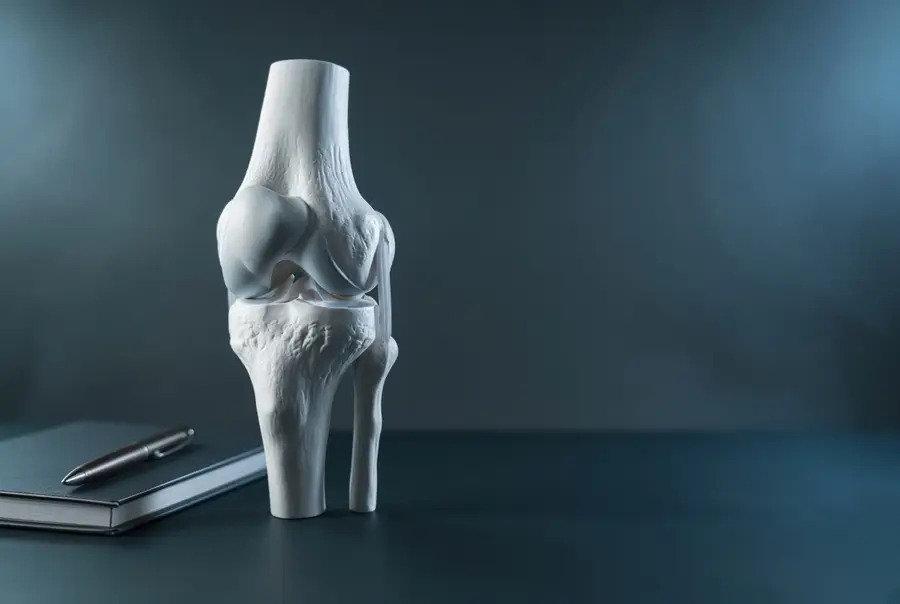
A strain involves a muscle or tendon, and a sprain involves a ligament. A tear is a more serious version of either, where some or all of the fibers have separated. Doctors often grade them from mild to severe: a mild injury stretches the tissue, a moderate one partly tears it, and a severe one tears it completely.
Mild injuries
With mild, low-grade injuries the tissue is stretched or slightly damaged, and the main problem is pain, swelling and stiffness. This is the range where we most often see people who may be good candidates for HPC, which is aimed at the inflammation and discomfort around the area.
Higher-grade tears
A complete rupture, a joint that feels unstable, or a large tear usually needs a surgeon to look at it, and in many cases surgery is the recommended route. We will not try to treat around a problem like that. If we think you need an orthopedic opinion, we will say so at the consultation.
Signs that need a doctor first
Get checked before any other treatment if you have:
- A pop or tearing sensation followed by sudden weakness
- A visible gap, deformity or severe bruising
- A joint that gives way or will not bear weight
- Numbness, tingling or a cold, pale limb
- Fever or a hot, red, swollen joint
How HPC fits
HPC uses intense cold from high-pressure CO₂ applied to the skin over the sore area for about 3 to 6 minutes, depending on the body part. There are no drugs, no needles and no incisions. It does not repair torn tissue and is not a replacement for medical care. After surgery we need your surgeon's clearance and at least 10 days since the procedure, and we never treat over an incision or wound.
Keep following your doctor's guidance
Nothing here is a reason to skip or stop care your doctor has recommended. If you take medication, keep taking it as directed, and never stop a prescription because of something you read online or a treatment you are considering. If you are thinking about adding HPC, tell your doctor and tell us what you take, because some medications, such as blood thinners, mean we use extra caution. After surgery we need your surgeon's clearance and at least 10 days since the procedure, and we never treat over an incision or wound.
If your clinician suggests ice or cold therapy
Ice is the best-known form of cold therapy, and many clinicians suggest it for sore, irritated areas. HPC is also a form of cold therapy, applied differently: high-pressure CO₂ rapidly cools the skin over the area, with an intense cold that passes quickly. A treatment takes about 3 to 6 minutes per area, where an ice pack session is often 15 to 20 minutes.
If your doctor has recommended ice or cold therapy for your problem, ask whether HPC may be a good fit. Results vary, and HPC is not a substitute for medical care.
What a visit with us looks like
Every visit starts with a free consultation. We ask where it hurts, what you have been told it is, what you have already tried, and whether anything about your health or history means we should not treat. If you are comfortable and it is appropriate, treatment can be done in the same session.
Treatment itself is brief. High-pressure CO₂ is used to rapidly cool the skin over the sore area, usually about 3 to 6 minutes per area, and a first visit typically takes 10 to 20 minutes including the consultation. There are no needles and no medication. Most people describe an intense cold that passes quickly. Same-day appointments are often available at our Mineola and Rockville Centre locations.
How many visits, and what about the next flare?
For most people, we recommend an initial series of four to five sessions, then we check how you are doing. Many patients report relief after one or two visits, although individual responses may vary. After the series, we suggest watching to see whether and when the pain returns.
If it does come back, we suggest coming in at the first sign instead of waiting for it to build. Many times a tune-up of 1 or 2 sessions is enough. Discounted packages are available at our Rockville Centre location if you expect to come in more than once.
How High-Pressure Cryotherapy may fit
HPC may be worth asking about if you have a mild strain, sprain or partial tear and want a drug-free, needle-free option alongside your regular care. A consultation is free, and we only treat if we think we can help. If your injury looks more serious, we will tell you to see a specialist.
HPC is not a substitute for medical care and does not replace a diagnosis.
Frequently asked questions
Can HPC help a muscle or tendon tear?
For mild, low-grade injuries it may help manage pain and inflammation. It does not repair torn tissue, and complete or large tears usually need a surgical evaluation. Results vary.
How do I know if my tear is mild or severe?
A doctor or imaging can tell you. Warning signs of a more serious injury include sudden weakness after a pop, a joint that gives way, or being unable to bear weight.
Do you treat higher-grade tears?
We usually recommend a surgical opinion first for higher-grade tears. We only treat if we think we can help.
What happens at a first visit?
Every visit starts with a free consultation, a conversation where you ask questions and we explain the process. If you are comfortable, treatment can happen in the same session. Treatment takes about 3 to 6 minutes per area, and a first visit usually runs 10 to 20 minutes including the consultation. Same-day appointments are often available.
This article is educational and is not medical advice. Individual results vary.
More from Pain Education
Sprains, Strains, and Overuse: Questions to Ask Before You Get Back in the Game
Acute and overuse sports injuries, when to get evaluated first, and how High-Pressure Cryotherapy may help athletes with pain and inflammation.
Read more →Ankle Sprain: What to Ask Before Getting Back to Activity
What an ankle sprain involves, when to be evaluated for a possible fracture, and how High-Pressure Cryotherapy may help with pain and inflammation.
Read more →Cold Therapy for Pain: A Short History, and How HPC Compares With an Ice Pack
People have used cold for pain and swelling for thousands of years. Here is a brief history, and how High-Pressure Cryotherapy relates to an everyday ice pack.
Read more →What patients say
Mineola
Rockville Centre
Reviews are provided by Google. Individual experiences and results vary.