
Lower Back Pain That Keeps Coming Back: What to Know Before You Book
If your lower back settles down and then flares again a few weeks later, you are in good company. Back pain is common, and it has a habit of returning, which is why many people start asking what else is out there.
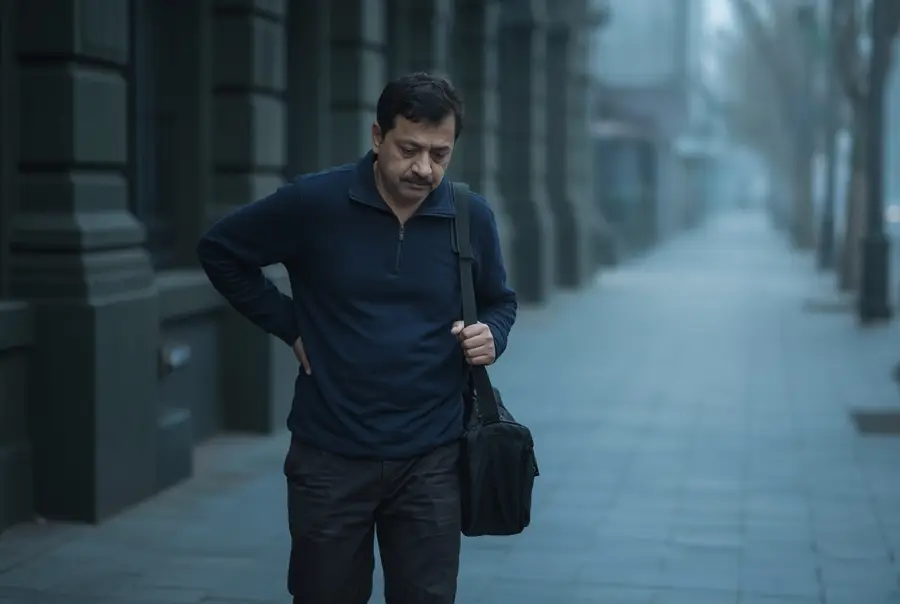
Why back pain tends to repeat
Most people who have had lower back pain once will have it again at some point. The reasons are not mysterious, but they are easy to miss. When a flare settles down you stop thinking about it, and you go back to the same long drives, the same desk chair, and the same heavy lifting. Whatever set it off in the first place is still there.
Feeling better and being recovered are also not the same thing. Pain can ease well before the tissues and the habits behind it have changed, and that gap is where a lot of repeat flares live.
What can be hurting in the lower back
The lower back is a crowded place, and several different structures can be the source of pain:
- Muscles and tendons, which can be strained by lifting, twisting, or holding one position for too long
- Facet joints, the small joints at the back of the spine, which can become irritated or arthritic over time
- Discs, the cushions between the bones, which can bulge or herniate and irritate a nearby nerve
- Ligaments, which can be sprained
- The sacroiliac joints, where the spine meets the pelvis
- Nerves, which can be irritated by any of the above and send pain into the buttock or leg
Why the cause matters
These can feel alike. Two people with the same ache can have completely different causes, which is why a proper evaluation is worth more than a good guess. A muscle strain and an irritated disc may both hurt when you bend, but they are not managed the same way.
Imaging does not always settle it either. Many people have disc changes or wear on an MRI and no pain at all, and others have significant pain with an unremarkable scan. Your doctor puts the whole picture together: your history, an examination, and imaging when it is needed.
Everyday things that can set it off
Looking back over the days before a flare often shows a pattern. Common triggers include:
- Long stretches of sitting, especially driving or a desk without breaks
- Lifting with a rounded back, or twisting while carrying a load
- A sudden jump in activity after a quiet stretch, like a weekend of yard work or a first day back at the gym
- Sleeping in a position or on a surface that leaves you stiff in the morning
- Stressful stretches, when many people notice they carry more tension through the back
Signs you should see a doctor first
Most back pain is not an emergency, but some symptoms should be evaluated before any treatment, including ours:
- Leg weakness that is getting worse
- Numbness in the groin or inner thighs
- Trouble controlling your bladder or bowels
- Back pain with a fever
- Back pain after a significant fall or accident
- Severe pain that is not eased by any position, especially at night
What you can reasonably do on your own
For many flares, clinicians commonly suggest staying gently active instead of resting in bed for days, changing positions often, and returning to normal activity as comfort allows. Your own doctor knows your history, so treat this as general information and ask what applies to you.
It also helps to keep notes. Write down when the pain started, what you were doing, what time of day is worst, and what eases it. A week of notes can make an appointment far more productive, and it helps us understand your situation at a consultation too.
Questions worth asking at any clinic
Before you start any new treatment for your back, it helps to ask:
- What do you think is causing my pain?
- What should I avoid while it settles?
- What warning signs should I never ignore?
- How will we know whether something is helping?
- What happens if it comes back?
What a visit with us looks like
Every visit starts with a free consultation. We ask where it hurts, what you have been told it is, what you have already tried, and whether anything about your health or history means we should not treat. If you are comfortable and it is appropriate, treatment can be done in the same session.
Treatment itself is brief. High-pressure CO₂ is used to rapidly cool the skin over the area of your lower back that hurts, usually about 3 to 6 minutes per area, and a first visit typically takes 10 to 20 minutes including the consultation. There are no needles and no medication. Most people describe an intense cold that passes quickly. Same-day appointments are often available at our Mineola and Rockville Centre locations.
How many visits, and what about the next flare?
For most people, we recommend an initial series of four to five sessions, then we check how you are doing. Many patients report relief after one or two visits, although individual responses may vary. After the series, we suggest watching to see whether and when the pain returns.
If it does come back, we suggest coming in at the first sign instead of waiting for it to build. Many times a tune-up of 1 or 2 sessions is enough. Discounted packages are available at our Rockville Centre location if you expect to come in more than once.
How High-Pressure Cryotherapy may fit
HPC uses high-pressure carbon dioxide (CO₂) to rapidly cool the skin over the area that hurts. There is no medication and no needle. It may help with pain and inflammation and make it easier to move, and many people use it alongside the care they already have for their back.
For long-standing back problems no treatment is a cure. HPC treats the sore area, and for many people it may help manage inflammation and symptoms between flares.
HPC is not a substitute for medical care and does not replace a diagnosis.
Frequently asked questions
Can High-Pressure Cryotherapy help lower back pain?
It may help reduce pain and inflammation and support mobility for some people. Results vary, and a free consultation helps determine whether treatment may be appropriate for you.
What if the pain comes back?
It can, and when depends on the underlying condition. We suggest coming in at the first sign instead of waiting for it to build. Many times a tune-up of 1 or 2 sessions is enough.
How many sessions do people usually need for back pain?
For most people, we recommend an initial series of four to five sessions, then we check how you are doing. Many patients report relief after one or two visits, although individual responses may vary. After the series, we suggest watching to see whether and when it returns. Results vary.
Should I bring my MRI or other imaging?
You are welcome to. We do not diagnose or interpret imaging, but the reports can help the conversation at your consultation, which is free.
What happens at a first visit?
Every visit starts with a free consultation, a conversation where you ask questions and we explain the process. If you are comfortable, treatment can happen in the same session. Treatment takes about 3 to 6 minutes per area, and a first visit usually runs 10 to 20 minutes including the consultation. Same-day appointments are often available.
This article is educational and is not medical advice. Individual results vary.
More from Pain Education
Why Is My Back Stiff in the Morning? Common Causes and When to Ask a Doctor
Why the lower back can feel stiff first thing in the morning, what is normal, what is not, and how High-Pressure Cryotherapy may help.
Read more →What Should I Ask Before Getting a Pain Injection? 12 Questions Worth Raising
A practical list of questions to bring to your doctor before any injection for pain, and where a drug-free, needle-free option like HPC may fit into the conversation.
Read more →Back Pain Without Medication: A Drug-Free Option Worth Asking About
What people often try for back pain, where a drug-free, needle-free, non-surgical option like HPC fits, and when to see a doctor first.
Read more →What patients say
Mineola
Rockville Centre
Reviews are provided by Google. Individual experiences and results vary.