
Heel Pain With Your First Steps in the Morning: Is It Plantar Fasciitis?
That stabbing heel pain with your first steps out of bed, or after sitting for a while, is a familiar story for runners, walkers, and anyone on their feet all day.
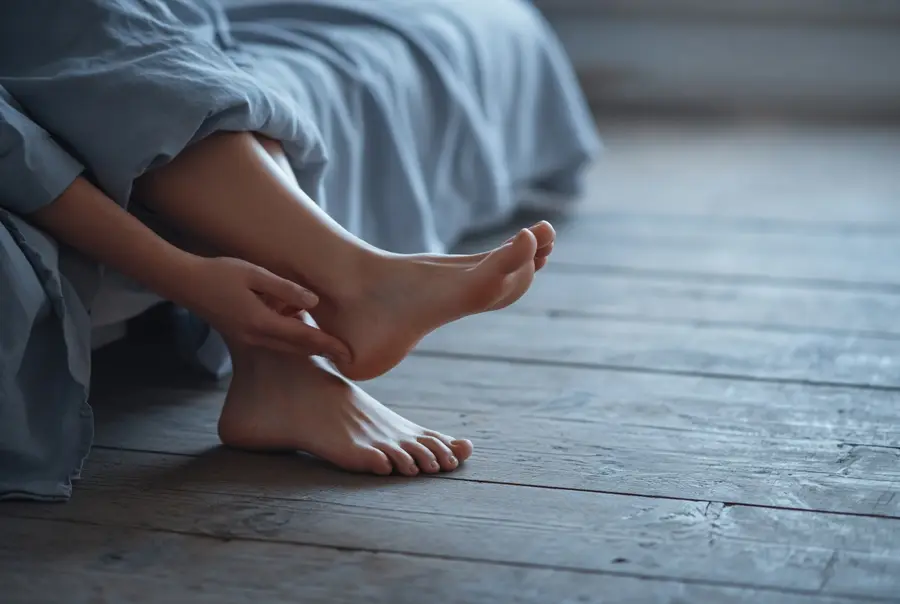
Why the first steps are the worst
The plantar fascia is a thick band of tissue running from the heel bone to the base of the toes, supporting the arch. Overnight it rests in a shortened position, and when you step out of bed it is suddenly asked to take your full weight. That is why the first steps of the day, or the first steps after sitting, are often the sharpest, and why pain frequently eases as you warm up and flares again after a long day on your feet.
What contributes to it
Plantar fasciitis rarely has one cause. Common contributors include:
- Overuse and repetitive impact, such as running or a jump in mileage
- Tight calf muscles and a stiff Achilles tendon
- Footwear with little support, or worn-out shoes
- Long hours standing or walking on hard surfaces
- Foot mechanics, such as very flat or very high arches
- Changes in activity or body weight
Heel pain that is not plantar fasciitis
Not every sore heel is plantar fasciitis. Achilles tendon problems hurt behind the heel. A stress fracture can cause deep bone pain that worsens through the day. Nerve irritation can cause burning, tingling, or numbness. If your pain does not follow the usual pattern, if it is getting worse, or if it does not ease with time, have it evaluated.
Signs not to wait on
See a healthcare professional promptly if you have:
- Heel pain after an injury, or you cannot put weight on the foot
- Significant swelling, redness, or warmth in the heel or foot
- Numbness or tingling in the foot
- Fever with foot pain
- Heel pain with diabetes or poor circulation
Questions worth asking
Whether you see your doctor, a podiatrist, or us first, these questions help:
- What do you think is behind my heel pain?
- Should I change my shoes, inserts, or activity?
- How long should it take to settle, and what if it does not?
- What would make you want to look further?
Staying on your feet
Many people cannot simply stop moving, because of work, family, or training. Activity guidance depends on your situation, so ask your provider and your physician what makes sense for you. Keeping notes on which days are worst and what you were doing helps spot patterns.
A word on shoes, inserts, and stretching
Supportive footwear, a cushioned insert, and calf and arch stretching are commonly discussed for heel pain, and many people ask about them. Whether and which ones suit you depends on your foot and your cause, so ask your doctor or podiatrist. We are happy to talk through what you are already doing at a consultation, and we will tell you where our role starts and ends.
If your clinician suggests ice or cold therapy
Ice is the best-known form of cold therapy, and many clinicians suggest it for sore, irritated areas. HPC is also a form of cold therapy, applied differently: high-pressure CO₂ rapidly cools the skin over the area, with an intense cold that passes quickly. A treatment takes about 3 to 6 minutes per area, where an ice pack session is often 15 to 20 minutes.
If your doctor has recommended ice or cold therapy for your problem, ask whether HPC may be a good fit. Results vary, and HPC is not a substitute for medical care.
What a visit with us looks like
Every visit starts with a free consultation. We ask where it hurts, what you have been told it is, what you have already tried, and whether anything about your health or history means we should not treat. If you are comfortable and it is appropriate, treatment can be done in the same session.
Treatment itself is brief. High-pressure CO₂ is used to rapidly cool the skin over the heel and arch of the foot, usually about 3 to 6 minutes per area, and a first visit typically takes 10 to 20 minutes including the consultation. There are no needles and no medication. Most people describe an intense cold that passes quickly. Same-day appointments are often available at our Mineola and Rockville Centre locations.
How many visits, and what about the next flare?
For most people, we recommend an initial series of four to five sessions, then we check how you are doing. Many patients report relief after one or two visits, although individual responses may vary. After the series, we suggest watching to see whether and when the pain returns.
If it does come back, we suggest coming in at the first sign instead of waiting for it to build. Many times a tune-up of 1 or 2 sessions is enough. Discounted packages are available at our Rockville Centre location if you expect to come in more than once.
How High-Pressure Cryotherapy may fit
HPC uses high-pressure CO₂ to rapidly cool the skin over the heel and arch. It may help with pain and inflammation so you can get back on your feet more comfortably. How much depends on the underlying condition.
It does not correct footwear, calf tightness, or other factors behind heel pain, but it treats the sore area and may help many people manage inflammation and symptoms.
HPC is not a substitute for medical care and does not replace a diagnosis.
Frequently asked questions
Do I need to stop running?
Activity guidance depends on your situation. Discuss it with your provider and your physician.
How long does a visit take?
Treatment takes about 3 to 6 minutes per area, and a first visit usually runs 10 to 20 minutes including the consultation.
Is the treatment painful on the heel?
Most people describe an intense cold that passes quickly. There are no needles and no medication.
How many sessions might heel pain take?
For most people, we recommend an initial series of four to five sessions, then we check how you are doing. Many patients report relief after one or two visits, although individual responses may vary.
What happens at a first visit?
Every visit starts with a free consultation, a conversation where you ask questions and we explain the process. If you are comfortable, treatment can happen in the same session. Treatment takes about 3 to 6 minutes per area, and a first visit usually runs 10 to 20 minutes including the consultation. Same-day appointments are often available.
This article is educational and is not medical advice. Individual results vary.
More from Pain Education
Heel Spur or Plantar Fasciitis? What the Difference Means for Your Pain
How heel spurs and plantar fasciitis relate, why a spur on an X-ray is not always the cause of pain, and how High-Pressure Cryotherapy may help.
Read more →Sprains, Strains, and Overuse: Questions to Ask Before You Get Back in the Game
Acute and overuse sports injuries, when to get evaluated first, and how High-Pressure Cryotherapy may help athletes with pain and inflammation.
Read more →Ankle Sprain: What to Ask Before Getting Back to Activity
What an ankle sprain involves, when to be evaluated for a possible fracture, and how High-Pressure Cryotherapy may help with pain and inflammation.
Read more →What patients say
Mineola
Rockville Centre
Reviews are provided by Google. Individual experiences and results vary.