
Pain After Knee Replacement: What Is Normal and What to Ask Your Surgeon
A knee replacement can make a big difference, but the weeks and months afterward are not painless. Many people are surprised by how long swelling and stiffness can last, and they look for ways to stay comfortable.
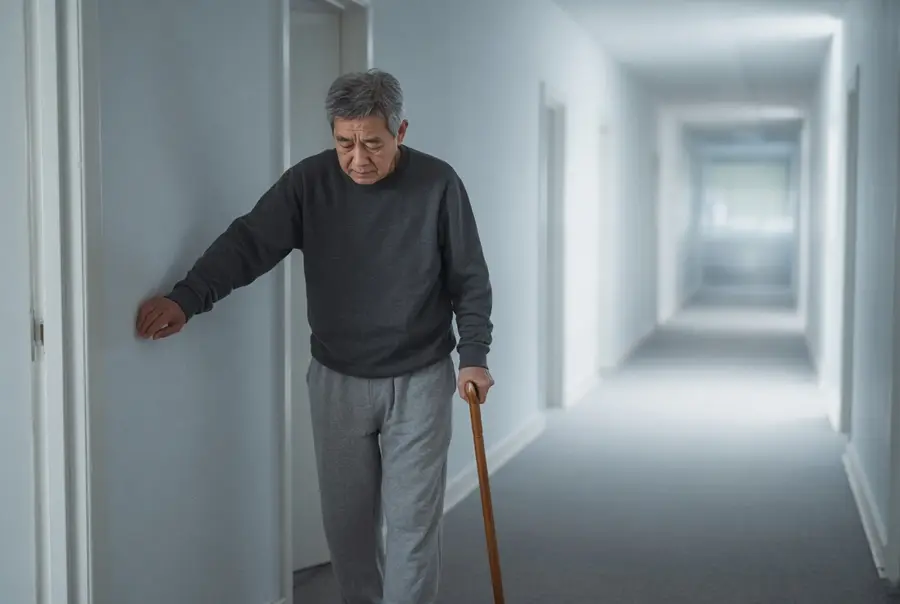
What recovery often feels like
After a knee replacement, swelling, bruising, stiffness, and aching are common, and some of it can persist for weeks or longer. The knee may feel warm, the thigh and calf muscles may be sore and weak, and the hip and lower back may complain from the changed way you walk. How long each phase lasts differs from person to person.
Call your surgeon right away if
These are not things to treat around:
- Fever or chills
- Redness, warmth, or drainage at the incision
- Calf swelling, pain, or warmth, which can signal a blood clot
- Chest pain or shortness of breath, which is an emergency, call 911
- Pain that is rapidly getting worse, or a knee that suddenly cannot bend or bear weight
Questions for your surgeon
Before adding a new treatment during recovery, ask:
- Is it appropriate for me, and when?
- Which areas should be avoided?
- What activity limits apply at this stage?
- Is the amount of swelling and pain normal for where I am?
- What milestones should I be hitting, and what if I am not?
What we ask of you
We ask that at least 10 days have passed since your surgery, and some procedures call for a longer wait. We need your surgeon's clearance before treating. We never treat over an incision, a wound, or an area your surgeon has asked you to avoid. At your consultation we ask about your procedure, date, and restrictions.
Areas around the knee that get sore
Recovery often affects more than the replaced joint. The thigh, hip, and lower back may all be working harder. When appropriate, treatment is aimed at areas away from the incision where pain and inflammation are bothering you, within what your surgeon allows.
Keeping everyone on the same page
Bring your discharge instructions, your surgeon's name, the date of surgery, and your restrictions. If you work with a physical therapist, tell them about any other treatment you add, and tell us about their plan. Recovery goes best when everyone knows what the others are doing.
Tracking your progress
Keep a simple log of pain, swelling, how far you can bend and straighten the knee, and what you can do each week, such as walking distance and stairs. The log helps your surgeon and therapist see your progress and spot a stall early. Bring it to follow-up visits and to your consultation with us.
Pain that is different from what you expected
Some discomfort is expected, but pain that is sharp, rapidly worsening, or very different from your usual recovery pattern should be reported to your surgeon instead of endured. Night pain that is increasing, a knee that suddenly feels unstable, or pain that keeps you from doing your prescribed exercises are all reasons to call.
What a visit with us looks like
Every visit starts with a free consultation. We ask where it hurts, what you have been told it is, what you have already tried, and whether anything about your health or history means we should not treat. If you are comfortable and it is appropriate, treatment can be done in the same session.
Treatment itself is brief. High-pressure CO₂ is used to rapidly cool the skin over an appropriate area away from the incision, usually about 3 to 6 minutes per area, and a first visit typically takes 10 to 20 minutes including the consultation. There are no needles and no medication. Most people describe an intense cold that passes quickly. Same-day appointments are often available at our Mineola and Rockville Centre locations.
How many visits, and what about the next flare?
For most people, we recommend an initial series of four to five sessions, then we check how you are doing. Many patients report relief after one or two visits, although individual responses may vary. After the series, we suggest watching to see whether and when the pain returns.
If it does come back, we suggest coming in at the first sign instead of waiting for it to build. Many times a tune-up of 1 or 2 sessions is enough. Discounted packages are available at our Rockville Centre location if you expect to come in more than once.
How High-Pressure Cryotherapy may fit
Some people ask about HPC to help manage pain and inflammation in the areas around their recovery. Whether and when it may be appropriate depends on your procedure and your surgeon's guidance. We do not treat over incisions, wounds, or areas your surgeon has told you to avoid.
It does not alter how your new knee heals and is never applied over the incision. Away from it, and with your surgeon's okay, it may help many people manage inflammation and symptoms.
HPC is not a substitute for medical care and does not replace a diagnosis.
Frequently asked questions
How long after knee replacement can I be treated?
At least 10 days after surgery, some procedures call for longer, and we need your surgeon's clearance.
Will you treat my knee directly?
Not over an incision or any area your surgeon has restricted. We treat appropriate areas away from the incision.
Is calf swelling normal?
Calf swelling, pain, or warmth can signal a blood clot and needs urgent medical attention.
What happens at a first visit?
Every visit starts with a free consultation, a conversation where you ask questions and we explain the process. If you are comfortable, treatment can happen in the same session. Treatment takes about 3 to 6 minutes per area, and a first visit usually runs 10 to 20 minutes including the consultation. Same-day appointments are often available.
This article is educational and is not medical advice. Individual results vary.
More from Pain Education
After Surgery: Questions to Ask Your Surgeon Before Adding Any New Treatment
Pain, swelling, and stiffness during recovery, why your surgeon comes first, and how High-Pressure Cryotherapy may fit with their guidance.
Read more →Knee Pain on the Stairs: What Might Be Behind It?
Common causes of knee pain, what to tell your doctor, and how High-Pressure Cryotherapy may help with knee pain and inflammation.
Read more →Why Is My Knee Swollen? Common Causes and When to Be Seen
What knee swelling can mean, which signs need prompt medical attention, and how High-Pressure Cryotherapy may help with knee pain and inflammation.
Read more →What patients say
Mineola
Rockville Centre
Reviews are provided by Google. Individual experiences and results vary.