
Knee Pain
Knee pain has many causes, including arthritis, ligament strain, meniscus injury, and overuse.

Stairs, squats, and a walk around the block are easy to take for granted until your knee starts to complain.
About knee pain
Knees carry a great deal of load, so irritation there can affect walking, stairs, and activity.
Common symptoms
- Swelling or stiffness
- Pain with walking or stairs
- A feeling of instability
- Reduced range of motion
Common causes
- Osteoarthritis
- Ligament or meniscus injury
- Overuse and repetitive stress
- Tendon irritation
How the knee works, and why it hurts
The knee is a hinge joint where the thigh bone, shin bone and kneecap meet. Cartilage and the meniscus cushion the joint, ligaments keep it steady, and tendons connect the muscles that bend and straighten it. The knee takes a lot of load every time you climb stairs, squat or get out of a chair, so a small problem in any of these tissues can show up as pain.
Common patterns
Knee pain is not one thing. These are some of the patterns people describe:
- Osteoarthritis: stiffness after rest and an ache that builds with activity.
- Meniscus irritation: catching, swelling, or pain when twisting.
- Ligament strain: a feeling of instability, often after a twist or impact.
- Tendon irritation below the kneecap: pain with stairs, jumping or kneeling.
- Overuse: pain that builds after a jump in mileage, training or time on your feet.
What tends to make it better or worse
Knees often complain after long sitting followed by standing, stairs, deep squats, or a sudden jump in activity. Staying gently active, pacing yourself, wearing supportive shoes and building strength in the hips and thighs usually help. A physical therapist or physician can tailor that to you.
When to see a provider first
Please get checked by a qualified healthcare provider before booking if any of these apply:
- The knee locks, or gives way when you stand or walk.
- You cannot put weight on it, or it looks out of shape after an injury.
- The joint is hot, red and swollen, especially with a fever.
- You have calf pain or swelling, which can be a blood clot.
- You have had surgery recently and your surgeon has not cleared you. We wait at least 10 days after surgery and ask for clearance first.
Why people choose High-Pressure Cryotherapy (HPC) for knee pain
HPC is a drug-free approach. There are no drugs, no needles and no incisions, and sessions are quick, so it fits into a normal day.
- Drug-free, needle-free and incision-free.
- Treatment takes about 3 to 6 minutes per area.
- Your first visit includes a free consultation, and same-day appointments are often available.
- We only treat if we think we can help.
- It can be used alongside your existing care plan.
What a visit looks like
Every visit starts with a free consultation. We ask about your history, where it hurts and what you have already tried. A first visit usually takes 10 to 20 minutes including the consultation. Treatment itself takes about 3 to 6 minutes per area.
We recommend four to five sessions, then we reassess together. If there is no meaningful improvement, we suggest seeing a qualified healthcare provider. Results vary, and we only treat if we think we can help.
How High-Pressure Cryotherapy (HPC) may help
High-Pressure Cryotherapy (HPC) uses high-pressure carbon dioxide (CO₂) to rapidly cool the skin over a specific treatment area. For knee pain, treatment is applied around the joint and takes a few minutes. Many people tell us the knee feels looser or less sore afterward, which may make stairs, walking and activity more comfortable. Results vary, and we only treat if we think we can help. If you would like to find out whether HPC may help your knee pain, the consultation is free and same-day appointments are often available. No treatment rebuilds worn cartilage, and HPC does not claim to. It treats the painful area, and for many people it may help manage inflammation and symptoms.
Every treatment begins with a free consultation. Typical treatment takes about 3–6 minutes per area. HPC is not a substitute for medical care and does not replace a diagnosis.
A drug-free, needle-free option
If you are weighing options for a sore knee, HPC is one that involves no drugs, needles or surgery, and it is worth discussing with your doctor.
No drugs. No needles. No incisions. No downtime. And we only treat if we think we can help.
Talk with your doctor about the risks and benefits of any treatment.
Watch a treatment
Real New York Cryogen treatment footage. Treatment area, comfort, and results vary by patient. A free consultation helps determine whether this is a fit.
Frequently asked questions
Can I get treatment on both knees?
Yes, multiple areas can be treated in a session when appropriate. We discuss this at your consultation.
How soon can I be seen?
Same-day appointments are often available at our Mineola and Rockville Centre locations. Book online or call and we will find the earliest time that works for you.
How many visits might I need?
For most people, we recommend an initial series of four to five sessions, then we check how you are doing. Many patients report relief after one or two visits, although individual responses may vary. Your plan depends on your situation, and we review how you are doing along the way. Results vary.
What does a visit cost?
The first treatment area is $90, with lower prices for additional areas, and discounted packages are available at our Rockville Centre location. See our pricing page for details.
This page is educational and is not medical advice. Individual results vary.
Thinking about a cortisone shot, or already had one? Read about cortisone injection alternatives.
Related conditions

Arthritis
Joint pain, stiffness, swelling, and reduced mobility.
Learn more →
Sports Injuries
Acute and overuse injuries affecting active individuals.
Learn more →
Hip Pain
Pain affecting the hip joint or surrounding muscles and tendons.
Learn more →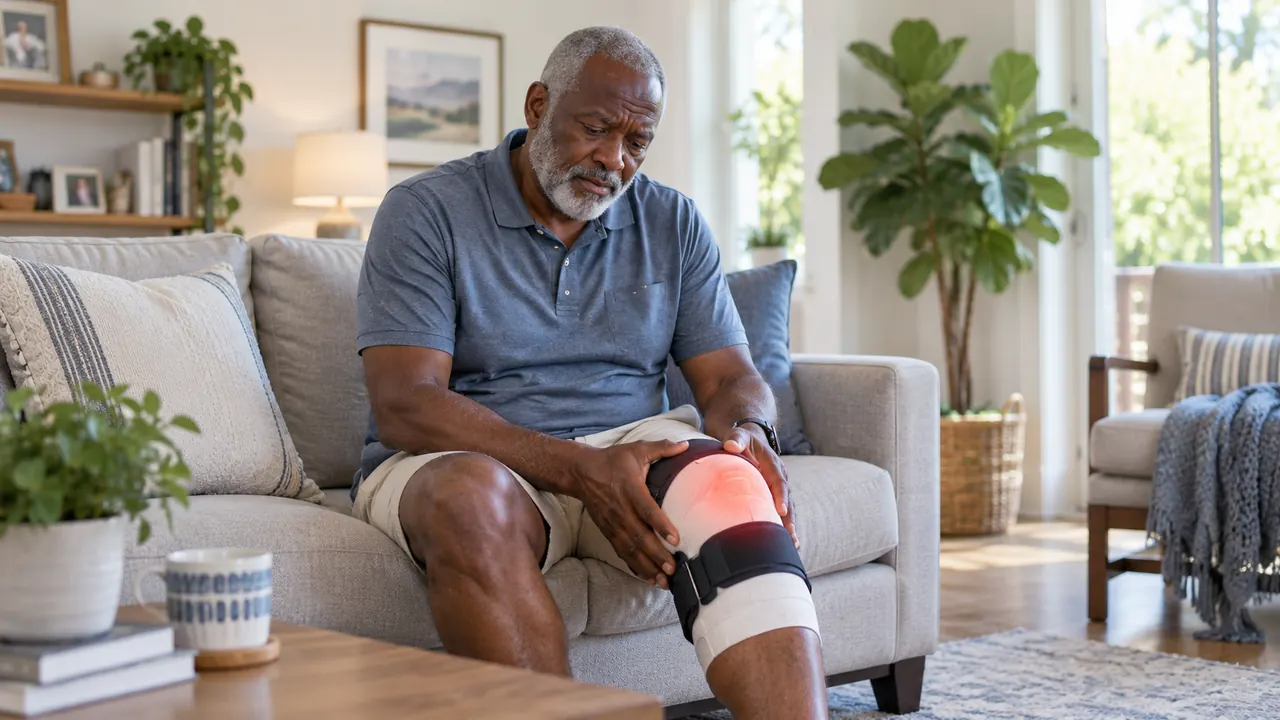
Post-Operative Recovery
Pain, swelling, and stiffness while recovering after orthopedic or other surgery.
Learn more →What patients say
Mineola
Rockville Centre
Reviews are provided by Google. Individual experiences and results vary.
Ready to learn whether HPC may be right for you?
We'll discuss your symptoms, answer your questions, and determine whether treatment may be appropriate for your individual needs.