
Why Does Sciatica Get Worse When You Sit? Driving, Desks, and What to Ask
For many people with sciatica, the hardest part of the day is not walking or lifting. It is the commute, the meeting, or the movie, anything that involves sitting still while the leg complains.
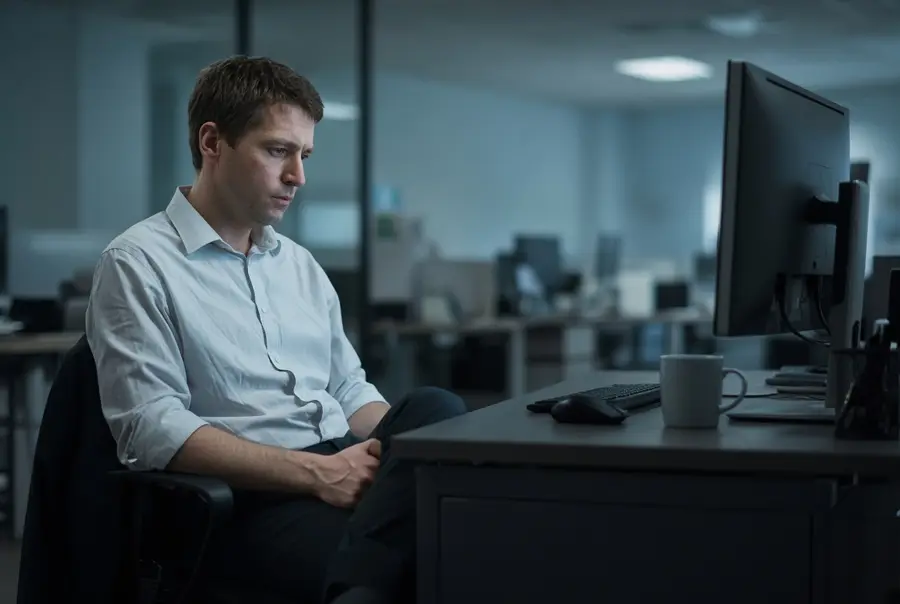
What sitting does to the lower back
When you sit, especially slouched, the lower back loses its natural curve and the pelvis tilts back. Pressure rises on the discs and on the structures at the base of the spine, and the buttock muscles, including the piriformis, are compressed against the seat. If a disc or muscle is already irritating the sciatic nerve, those changes can bring the pain on or make it worse.
Why driving is often the worst
Driving combines several triggers: a fixed position, a seat that may not suit your back, vibration from the road, and one leg working the pedals. Long drives are a classic setup for a flare. If you commute or travel for work, small changes to your seat and regular breaks can make a real difference for some people.
Setup and habit changes people try
Many clinicians suggest looking at a few basics:
- Getting up and moving every half hour or so instead of sitting for long stretches
- Adjusting seat height and depth so your hips and knees are comfortably positioned
- Using lumbar support, or a small rolled towel, if your back feels unsupported
- Avoiding sitting on a wallet or phone in a back pocket
- Alternating sitting with standing or walking where your work allows
Sitting versus standing and walking
Pay attention to what eases the pain. Some people with a disc problem feel better walking or standing, while others with a different cause feel worse on their feet. That pattern is valuable information for your clinician, because it helps point to the likely source. Keep a short note of what helps and what does not.
When to see a doctor first
Seek medical evaluation before any treatment if you have:
- Leg weakness that is getting worse, or a foot that drags
- Numbness in the groin, genitals, or inner thighs
- Trouble controlling your bladder or bowels
- Leg pain with fever, or after a fall or accident
- Pain that is severe or not easing after several weeks
Questions worth asking
Useful questions include what your doctor thinks is irritating the nerve, whether sitting positions or activities should be limited, what exercises or stretches suit you, and what changes should prompt a call. If you have imaging, bring the report.
Why standing up can hurt too
Many people notice that the first few steps after a long sit are the worst. The muscles and nerve have been compressed and the back has stiffened, and standing asks them to unfold at once. Taking a moment to shift forward in the seat, stand tall, and walk a few slow steps before moving quickly can help some people. If the pain on standing is severe, or comes with weakness or numbness, mention it to your doctor.
What a visit with us looks like
Every visit starts with a free consultation. We ask where it hurts, what you have been told it is, what you have already tried, and whether anything about your health or history means we should not treat. If you are comfortable and it is appropriate, treatment can be done in the same session.
Treatment itself is brief. High-pressure CO₂ is used to rapidly cool the skin over the lower back and buttock, and sometimes along the leg, usually about 3 to 6 minutes per area, and a first visit typically takes 10 to 20 minutes including the consultation. There are no needles and no medication. Most people describe an intense cold that passes quickly. Same-day appointments are often available at our Mineola and Rockville Centre locations.
How many visits, and what about the next flare?
For most people, we recommend an initial series of four to five sessions, then we check how you are doing. Many patients report relief after one or two visits, although individual responses may vary. After the series, we suggest watching to see whether and when the pain returns.
If it does come back, we suggest coming in at the first sign instead of waiting for it to build. Many times a tune-up of 1 or 2 sessions is enough. Discounted packages are available at our Rockville Centre location if you expect to come in more than once.
How High-Pressure Cryotherapy may fit
HPC uses high-pressure CO₂ to rapidly cool the skin over the areas where sciatic pain is felt, often the lower back and buttock. It may help with pain and inflammation and make sitting and movement more comfortable. How much depends on what is behind the sciatica.
It will not change how the nerve is being irritated, but it treats the painful area and may help many people keep symptoms more manageable.
HPC is not a substitute for medical care and does not replace a diagnosis.
Frequently asked questions
Why does my leg go numb when I sit?
Pressure on the buttock and lower back can irritate the nerve. Numbness that is persistent or spreading should be evaluated by a healthcare professional.
Can HPC help me sit more comfortably?
It may help with pain and inflammation for some people. Results vary, and a free consultation helps determine whether treatment may be appropriate.
Should I stop driving?
That depends on your situation. Ask your doctor, and take breaks on longer trips.
What happens at a first visit?
Every visit starts with a free consultation, a conversation where you ask questions and we explain the process. If you are comfortable, treatment can happen in the same session. Treatment takes about 3 to 6 minutes per area, and a first visit usually runs 10 to 20 minutes including the consultation. Same-day appointments are often available.
This article is educational and is not medical advice. Individual results vary.
More from Pain Education
Sciatica Pain Down the Leg: What Is Going On and When to Get It Checked
What sciatica is, why it is a symptom and not a diagnosis, when to see a doctor, and how High-Pressure Cryotherapy may fit.
Read more →Lower Back Pain That Keeps Coming Back: What to Know Before You Book
Why lower back pain can return, which symptoms need a doctor first, and what to expect from a High-Pressure Cryotherapy visit on Long Island.
Read more →Why Is My Back Stiff in the Morning? Common Causes and When to Ask a Doctor
Why the lower back can feel stiff first thing in the morning, what is normal, what is not, and how High-Pressure Cryotherapy may help.
Read more →What patients say
Mineola
Rockville Centre
Reviews are provided by Google. Individual experiences and results vary.